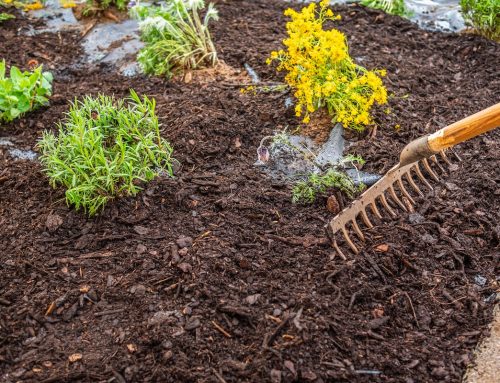
Winter can be harsh on garden beds. Between freezing temperatures, snow cover, and months of inactivity, it’s normal for your soil and plants to look tired once spring rolls around. The good news is that reviving your garden beds after winter doesn’t have to be complicated. With a bit of cleanup and the right materials, you can bring your landscape back to life and set it up for a healthy growing season.
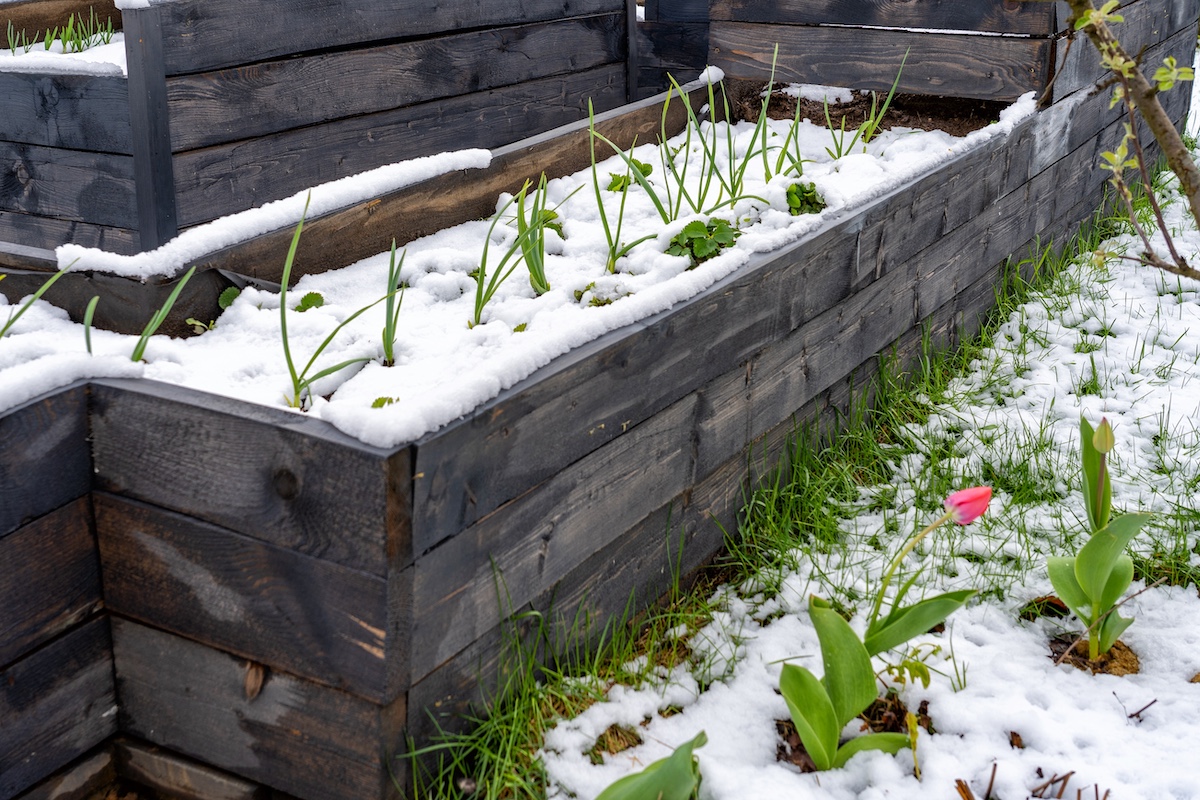
Start with a Spring Cleanup
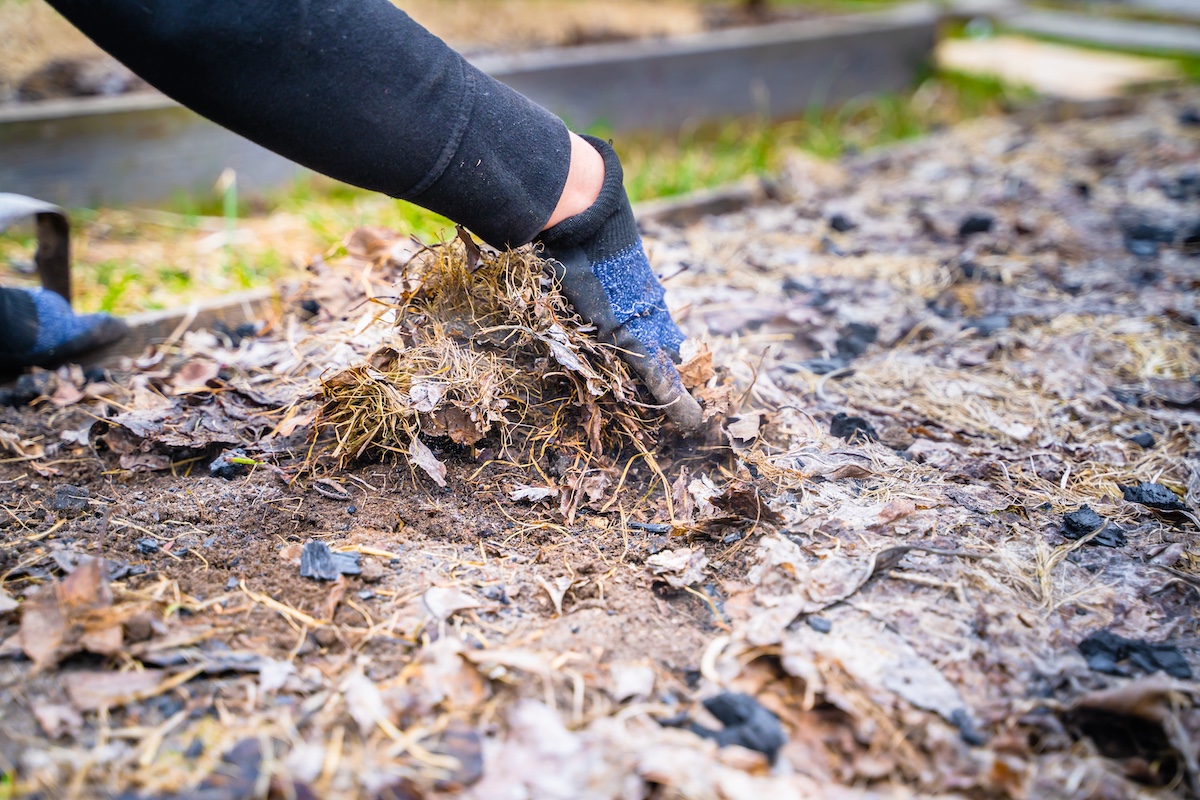
Before adding anything new, take time to clear out what winter left behind. Remove fallen branches, dead plant material, old leaves, and any debris that collected over the colder months. This gives you a clean slate to work with and prevents mold, pests, and disease from lingering in your garden beds.
If you left perennials standing through winter, now is the time to trim them back. Cutting away dead growth allows new shoots to come through without obstruction.
Check the Condition of Your Soil
Winter weather can compact soil, especially in areas that experienced heavy snow or foot traffic. Gently loosen the top few inches of soil with a garden fork or rake to improve airflow and drainage. Avoid working the soil if it’s still overly wet, as this can cause further compaction.
Once loosened, take a look at the soil itself. If it looks dry, pale, or crumbly, it likely needs nutrients added back in.
Refresh with Topsoil or Compost
One of the easiest ways to revive garden beds after winter is by adding fresh topsoil or compost. These materials restore nutrients, improve soil structure, and give roots a healthier environment for growth.
Compost is especially helpful because it adds organic matter back into the soil, helping it retain moisture while still draining properly. Mixing a thin layer into your existing soil can make a noticeable difference in plant performance throughout the season.
Reapply Mulch
Mulch plays a significant role in protecting garden beds year-round, and spring is the perfect time to refresh it. Over winter, mulch breaks down or shifts out of place, leaving soil exposed. Adding a new layer of mulch helps:
- Lock in moisture
- Suppress early weed growth
- Regulate soil temperature
- Give garden beds a clean, finished look
Hardwood mulch is a popular choice because it breaks down slowly and adds organic material back into the soil over time.
Watch for Early Weeds
As temperatures rise, weeds tend to show up quickly. Pull them before they take root. Make sure your mulch layer is thick enough to block sunlight from reaching weed seeds.
Give Plants Time to Wake Up
It's tempting to assume plants didn't survive winter, but many perennials take time to show signs of life. Give your garden beds a few weeks before replacing anything. Once new growth appears, you'll have a better idea of what needs attention and what needs a little patience.
Reviving your garden beds after winter is about more than appearances. Healthy soil, fresh mulch, and proper cleanup create the foundation for strong plant growth all season long.
At Deeke’s, we offer premium mulch, topsoil, and compost to help you get your garden beds back in shape. Using quality materials makes all the difference, whether you’re refreshing a small flower bed or tackling your entire yard. With a bit of cleanup and a fresh layer of mulch, you can bring your landscape back to life after winter.